
Ever thought about how water can change your spiritual connection? The Islamic ritual of wudu does just that. It’s not just about cleaning your body. It’s a deep spiritual practice that connects the physical and spiritual worlds.
Wudu is key for getting ready to pray and worship. It’s a special way of washing certain parts of your body. This ritual is more than cleaning. It’s a way to focus your mind and purify your soul.
Learning about wudu connects you to a long spiritual tradition. It gives you a chance to be mindful and spiritually refreshed before praying or doing religious activities.
Key Takeaways
- Wudu is a mandatory purification ritual before Islamic prayers
- The process involves washing specific body parts in a prescribed sequence
- Spiritual intention is key in doing wudu right
- Clean water is needed for a valid wudu
- The ritual shows both physical and spiritual cleanliness
What is Wudu and Its Importance in Islam
Wudu is a deep spiritual practice in Islam. It’s a ritual washing that gets Muslims ready for prayer and spiritual connection. This cleansing is more than just washing hands and feet. It holds deep spiritual meaning.
Definition of Wudu
The word wudu comes from Arabic and means “purification”. It’s a special washing of body parts for both physical and spiritual cleanliness. The steps of wudu help believers get ready for worship. It’s a time to focus and transition from daily life to prayer.
Spiritual Significance
- Represents inner and outer purification
- Connects physical actions with spiritual intentions
- Prepares the heart and mind for divine communication
The ritual shows spiritual readiness and faith commitment. Islamic teachings say no prayer is accepted without wudu. This shows how important it is in Muslim worship.
Wudu in Daily Life
Wudu turns washing into a spiritual practice. It reminds Muslims of their spiritual journey. It helps them stay connected to Allah. The whole process takes about three minutes.
For Muslims, wudu is more than washing. It’s a spiritual exercise that refreshes the soul and strengthens faith.
Essential Components of Wudu
Knowing the main parts of the wudu procedure is key for Muslims. It helps them do ritual cleansing right. Being ready and knowing what you need makes ablution meaningful and spiritual.
Required Items for Wudu
To do wudu right, you need a few important things:
- Pure, clean water
- Clean surface or prayer mat
- Small towel for drying
- Optional: Siwak or toothbrush for oral hygiene
Clean Water and Its Source
The water’s quality is very important in wudu. Muslims must use pure, untainted water without any bad stuff. Good water sources are:
- Tap water
- Well water
- River water
- Rainwater
| Water Type | Purity Level | Recommended Use |
|---|---|---|
| Tap Water | High | Most convenient |
| Natural Springs | Highest | Preferred for ritual purity |
| Collected Rainwater | Good | Alternative source |
If clean water is hard to find, Muslims can do tayammum (dry ablution). They use clean earth or sand. The goal is to stay clean in body and spirit.
Step-by-Step Guide to Making Wudu
The ablution process, known as wudu, is a sacred ritual of purification in Islamic practice. It helps Muslims prepare spiritually and physically for prayer. Let’s explore the detailed guide to performing this essential cleansing ritual.
Beginning with Intention: Niyyah
The first step in how to make wudu begins with niyyah (intention). This spiritual preparation involves mentally declaring the purpose of performing wudu for prayer and seeking spiritual purification. Muslims believe the intention transforms a physical act into a meaningful spiritual practice.
Washing Hands Thoroughly
During the second step of the wudu process, wash both hands up to the wrists three times. Key points to remember include:
- Use clean, flowing water
- Ensure water reaches between fingers
- Wash each hand completely
Rinsing Mouth and Nose
The next stages of the ablution process involve mouth and nasal cleansing:
- Take water in right hand
- Swirl water in mouth three times
- Gently blow out water
- Sniff water into nostrils
- Blow out to clear passages
Washing the Face
Facial washing is very important in the wudu steps. Carefully wash the entire face three times, covering:
| Area | Coverage Details |
|---|---|
| Horizontal Span | From ear to ear |
| Vertical Span | From hairline to chin |
| Washing Frequency | Three complete times |
Each step in the wudu process is designed to ensure spiritual and physical cleanliness. It prepares Muslims for their sacred connection with Allah through prayer.
Detailed Instructions on Washing the Arms
The wudu procedure includes washing the arms. This is a key part of Islamic ablution steps. It shows spiritual and physical cleaning. After washing the face, Muslims wash their arms with care.

The arm washing has a special order. It links physical cleaning with spiritual readiness.
Washing the Right Arm
For the right arm, follow these steps:
- Start at the fingertips
- Wash up to the elbow fully
- Do this three times
- Make sure water reaches every part of the arm
Washing the Left Arm
The left arm is washed the same way. This keeps the steps balanced in Islamic ablution:
- Begin at the fingertips
- Wash all the way to the elbow
- Do three full washes
- Check that water covers every part of the arm
| Arm Washing Detail | Right Arm | Left Arm |
|---|---|---|
| Starting Point | Fingertips | Fingertips |
| Washing Direction | To Elbow | To Elbow |
| Number of Washes | 3 Times | 3 Times |
By following these steps, Muslims get ready for prayer. They show a deep link between being clean outside and being devoted inside.
Completing the Face and Head
Learning how to make wudu correctly means mastering head and ear washing. These steps are very important and carry deep spiritual meaning. They need careful attention.
The steps for washing the head and ears are key. They link physical cleaning with spiritual purification.
Step 7: Masah of the Head
Doing the masah of the head is a careful process. Here’s how to do it right:
- Wet your hands with water from your previous washing
- Gently wipe your entire head from forehead to nape
- For women with long hair, wiping the front part to hair roots is enough
- Use your palms to cover the whole head area
Step 8: Washing the Ears
The ear washing technique is a key part of wudu. Follow these steps:
- Use the same water from head wiping
- Clean both the inside and outside of your ears
- Use your index fingers for the inside ear
- Use your thumbs for the outside ear
Remember, each movement in wudu is an act of spiritual cleansing. It connects physical purity with inner devotion.
The Final Steps of Wudu
The ritual washing in Islam ends with cleaning the feet. This final step is key for both spiritual and physical cleansing.
When washing your feet for wudu, you must be careful. You need to follow a certain way to clean completely:
- Start with your right foot
- Wash up to your ankles three times
- Make sure water gets between your toes
- Do the same with your left foot
Significance of Foot Washing
Washing your feet is more than just cleaning. It shows you’re ready to follow the right path. Muslims see each step in wudu as deeply meaningful.
Maintaining Proper Order
Islamic rules say it’s very important to do things in the right order. If you skip or change steps, your wudu won’t be valid. You must do each step one after another.
Completion Rituals
After washing your feet, you do two more things:
- Say the Shahada (a declaration of faith)
- Make a special prayer for purity
By following these steps carefully, you get ready for prayer. This shows the true meaning of ritual washing in Islam.
Common Mistakes to Avoid When Making Wudu
Wudu is a sacred process that needs careful attention. Knowing common errors helps believers improve their ritual cleansing. This keeps their spiritual integrity strong when learning how to make wudu.
Mastering wudu steps means avoiding key mistakes. These mistakes can harm the ritual’s spiritual and physical benefits:
- Rushing through the cleansing process
- Skipping essential body parts
- Using insufficient water
- Performing steps out of sequence
Critical Errors in Ritual Washing
Not washing well can make the whole wudu invalid. Believers must wash each part fully, in the right order and way. Not washing a small area can make the whole ritual invalid.
Water Usage and Mindful Cleansing
Using too little water is a big mistake in wudu steps. Islamic teachings want proper cleansing and saving water. Practitioners should wash well but not use too much water.
Spiritual Intention and Focus
Keeping a true intention during wudu is key. Talking too much or getting distracted can cause mistakes. The ritual needs your full mental and spiritual presence for true purification.
- Say “Bismillah” before starting
- Wash each body part three times
- Follow the correct sequence
- Maintain spiritual focus
By knowing and avoiding these mistakes, Muslims can have a more meaningful wudu experience.
The Role of Wudu in Prayer
The Islamic purification ritual of wudu is key for prayer (Salah). It changes believers from their daily life to a state of worship. This makes them ready to pray.
Muslims do wudu before praying to connect with Allah. It cleanses their body and soul. This connects the physical and spiritual worlds.
Connection Between Wudu and Salah
Wudu and Salah are closely linked. Muslims must do wudu before each of the five daily prayers. This shows they are ready to pray.
- Wudu prepares the body for spiritual communion
- Cleanses physical impurities
- Creates mental clarity for prayer
- Symbolizes spiritual renewal
Enhancing Focus During Prayer
Wudu helps believers focus during prayer. It calms their minds. This lets them pray with full attention.
Muslim scholars say wudu is more than cleaning. It’s a way to prepare the heart, mind, and body for prayer.
Cultural Variations in Practicing Wudu
Islamic ablution steps are deeply rooted in tradition. They show fascinating cultural nuances across different regions. The practice of how to make wudu keeps its spiritual essence. It also adapts to local contexts and modern lifestyles.
The ritual of wudu shows remarkable diversity. Muslim communities worldwide have unique approaches to this essential spiritual cleansing practice.
Regional Differences in Wudu Practices
Cultural variations in wudu can be seen in several ways:
- Middle Eastern regions often use ornate copper water vessels
- Southeast Asian Muslims might incorporate additional prayers during ablution
- North African communities sometimes use specific hand gestures
Evolution of Wudu in Modern Contexts
Today, Muslim communities adapt Islamic ablution steps for modern environments. Workplaces and public spaces now have dedicated wudu facilities. This shows a progressive approach to religious practices.
| Region | Unique Wudu Characteristic | Cultural Influence |
|---|---|---|
| Middle East | Elaborate water vessels | Traditional craftsmanship |
| Southeast Asia | Extended prayer recitations | Spiritual emphasis |
| North America | Efficient, time-sensitive approach | Modern workplace integration |
Water conservation technologies are a big innovation in how to make wudu. Sensor-equipped taps and mindful water usage show growing environmental awareness in Muslim communities.
The practice of wudu keeps evolving. It balances traditional spiritual significance with today’s practical needs. Each cultural adaptation shows respect for both religious heritage and modern lifestyle.
Frequently Asked Questions About Wudu
Many Muslims and those interested in Islam have questions about wudu. This section answers common questions about how to make wudu correctly and stay pure.
Breaking Wudu: What Should You Do?
Wudu can be broken by several actions. It’s important to know how to make it pure again.
- Bathroom use automatically breaks wudu
- Passing gas invalidates the ritual cleansing
- Falling into a deep sleep requires renewal of wudu
- Bleeding or vomiting may also break wudu
Frequency of Performing Wudu
How often to do wudu varies. Islamic rules help guide us on staying pure.
| Situation | Wudu Recommendation |
|---|---|
| Before Prayer | Always perform wudu |
| Multiple Prayers | One wudu can cover several prayers if not broken |
| Daily Practice | Recommended to stay in a state of wudu |
Best Practices for Wudu Maintenance
Keeping tahara (ritual purity) is good in Islam. Muslims should renew wudu often and with care.
- Check for wudu invalidation before prayers
- Keep water and clean space accessible
- Learn the correct wudu procedure
- Practice mindful ritual cleansing
Wudu is more than cleaning. It’s a spiritual step to connect with Allah during prayers.
Wudu and Modern Concerns
Islamic purification rituals are changing to meet today’s environmental needs. Wudu stays a key part of spiritual life but also looks at the planet.
Now, saving water is key in wudu. Muslims all over are using less water during their purification steps. They know it’s important to use resources wisely.
Environmental Considerations
Today’s wudu focuses on being green:
- Using less water for ritual cleansing
- Improving how water is spread
- Adding tech to save water in mosques
Alternatives in Water Scarce Areas
In places with little water, Islam has answers. Tayammum, a dry method, is used when water is not there.
| Water Availability | Wudu Method | Spiritual Validity |
|---|---|---|
| Abundant Water | Traditional Wudu | Fully Acceptable |
| Limited Water | Conserved Wudu | Recommended |
| No Water | Tayammum | Permissible |
Green Muslim groups are finding new ways to keep wudu spiritual but also eco-friendly.
Tips for Making Wudu Efficiently
Doing the wudu procedure well needs good planning and focus. Learning to do wudu right can make it a special and quick practice.
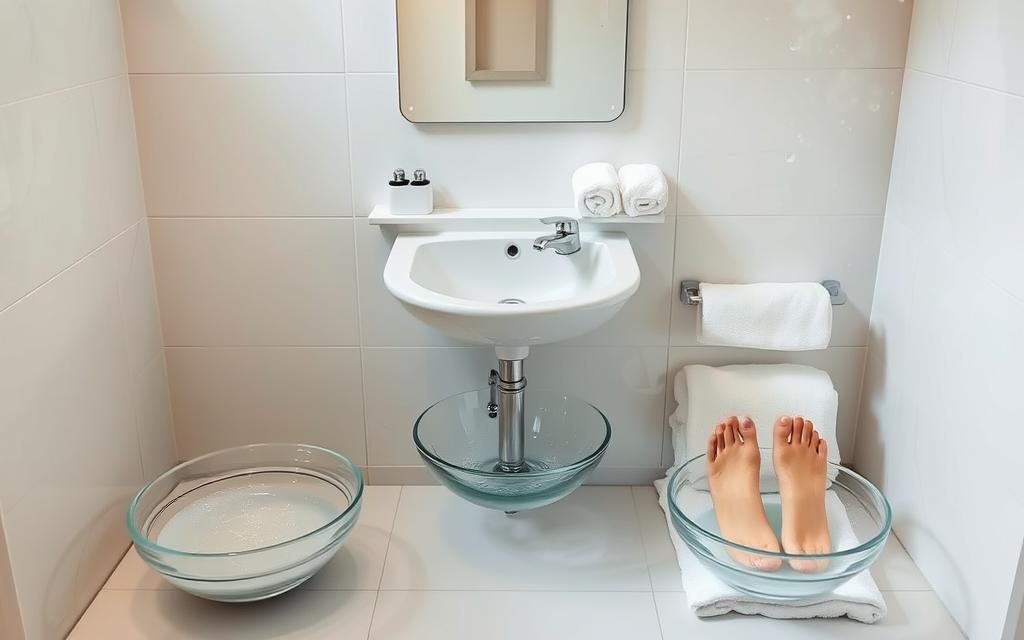
Start efficient wudu by making a calm and tidy space. Get all you need before starting. This helps you stay focused.
Preparing Your Workspace
- Choose a clean, quiet area with easy water access
- Keep soft towels nearby
- Ensure good lighting
- Remove distracting electronic devices
Quick Wudu Checklist
- Niyyah (Intention): Mentally prepare for the ritual
- Wash hands thoroughly
- Rinse mouth and clean nostrils
- Wash face completely
- Clean arms up to elbows
- Gently wipe head and ears
- Wash feet to ankles
The Prophet Muhammad (PBUH) said prayers need proper cleaning. A regular routine makes wudu more spiritual and meaningful.
With practice, wudu becomes easy and natural. Soon, you’ll do it with ease and care.
Conclusion: Embracing Ritual Cleansing
The Islamic ablution steps are more than just washing. They are a deep spiritual practice. It connects believers to their faith through purification.
Every movement in wudu has deep meaning. It turns a simple act into a powerful spiritual experience.
Practicing wudu helps grow spiritually. Muslims who do it sincerely find it:
- A time for personal reflection
- A way to reset their soul
- A preparation to talk to Allah
The Prophet Muhammad (PBUH) said “cleanliness is half of faith”. This shows how important spiritual purification is in Islam. It makes wudu a special chance for self-improvement.
Reflection on Spiritual Benefits
Wudu reminds Muslims of their commitment to spiritual purity. By following each step, they create a mindful space. It connects physical actions with spiritual goals.
The ritual helps them stay present and focused. It makes them think about their bond with the divine.
Encouragement to Practice
Embracing wudu is a journey of spiritual growth. Regular practice makes understanding deeper. It strengthens one’s faith connection.
Muslims are urged to practice with patience. They should keep learning and perfecting their wudu. This helps grow their spiritual side.
Additional Resources for Learning About Wudu
Learning about Wudu, the Islamic purification ritual, takes time and effort. Many resources are out there for Muslims wanting to learn more. Moddakir Academy offers special courses to help with this.
Online platforms and communities are great for learning about Wudu. Sites like SeekersGuidance and IslamReligion.com have video tutorials and guides. They explain the eight steps of ablution clearly.
Books and Guides
Books by scholars are key to understanding Wudu. “The Fiqh of Worship” by Sheikh Ibn Jibreen and “The Purification of the Soul” by Ibn Qudamah al-Maqdisi are good choices. They explain Wudu’s spiritual value and how to do it right.
Online Communities for Support
Muslim forums and social media groups offer help for learning Wudu. People can ask questions, share their experiences, and get advice from others. These communities are growing, helping more Muslims learn and improve their ritual cleansing.


