
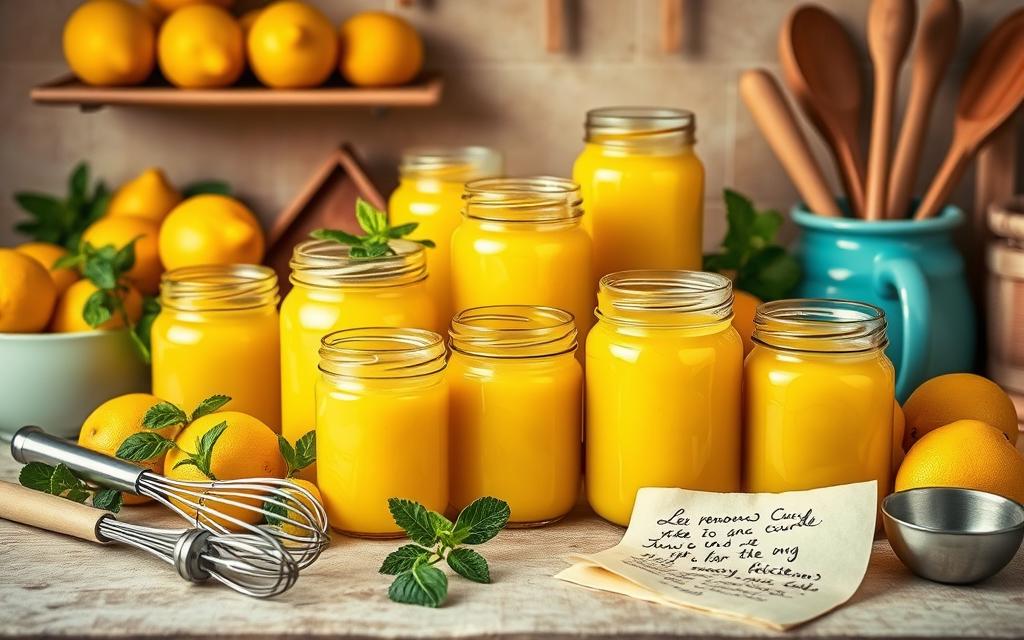
Ever wondered why bakers love homemade lemon curd? It makes simple desserts special. Making lemon curd is more than a skill—it’s an art that opens up tasty possibilities.
The easy lemon curd recipe comes from English traditions. It’s a great way to make your baking and breakfasts better. Whether you’re new to baking or experienced, learning to make lemon curd will change your cooking.
Key Takeaways
- Discover the secrets to creating perfect lemon curd every time
- Learn versatile techniques for making traditional and vegan versions
- Understand the essential ingredients for a foolproof lemon curd recipe
- Explore creative ways to use lemon curd in desserts and pastries
- Master storage and preservation techniques for your homemade curd
What is Lemon Curd?
Lemon curd is a tasty treat that brings out the bright, tangy taste of citrus. It’s a creamy spread that was first enjoyed in England in the late 1800s. It was a fancy treat for afternoon tea.
Lemon curd is made from simple ingredients. It has eggs, sugar, fresh lemon juice, and butter. These mix together to make a smooth, velvety spread that tastes amazing.
The History of Lemon Curd
This tangy lemon curd started in England. It was first used as a spread for scones and toast. Over time, it became a favorite at fancy tea times.
- Originated in England during the late 1800s
- Initially served during afternoon tea
- Evolved from a practical fruit preserve to a gourmet spread
Nutritional Benefits of Lemon Curd
Lemon curd may be rich, but it has some good stuff in it. The main ingredients give you important nutrients:
| Ingredient | Nutritional Benefit |
|---|---|
| Lemons | High in Vitamin C, antioxidants |
| Eggs | Protein, essential amino acids |
| Butter | Fat-soluble vitamins |
Note: Enjoy lemon curd in moderation due to its sugar and fat content.
Essential Ingredients for Lemon Curd
Making lemon curd is all about the right ingredients. It’s a mix of simple parts that make a tasty spread. Let’s look at what makes lemon curd so good.
Fresh Lemons vs. Bottled Lemon Juice
Using real lemons is best for lemon juice. Bakers and cooks say fresh lemons taste better than bottled. You need about half a lemon for your recipe.
- Fresh lemon zest adds more citrus taste
- Choose fresh juice for the best flavor
- Use about 1/2 cup of fresh lemon juice
Selecting the Right Sugar
Granulated sugar is the top pick for lemon curd. It balances the tartness and makes it smooth. If you’re watching sugar, you can try other sweeteners.
| Sugar Type | Impact on Lemon Curd |
|---|---|
| Granulated Sugar | Classic, smooth texture |
| Powdered Sugar | Smoother consistency |
| Alternative Sweeteners | Lower calorie option |
The Role of Eggs in Lemon Curd
Egg yolks are key in lemon curd. They make it creamy and thick. Four extra-large eggs are perfect for a batch. The yolks mix everything together for a silky feel.
Tip: Use fresh, room-temperature eggs. Whisk them gently to mix well without air bubbles.
Basic Lemon Curd Recipe
Making lemon curd at home is easy. It adds a bright, tangy flavor to many desserts. You just need a few ingredients and some simple steps.
Creating lemon curd needs care and patience. The right mix and cooking are key to a perfect curd.
Essential Ingredients for Lemon Curd
- 3 large eggs
- 4 large egg yolks
- ¾ cup granulated sugar
- Fresh lemon juice (3/4 cup from 4-5 lemons)
- 4 tablespoons cold butter
Step-by-Step Preparation
- Whisk eggs, egg yolks, and sugar in a saucepan
- Add fresh lemon juice
- Cook over low heat, stirring constantly
- Heat until mixture reaches 175-180°F
- Remove from heat and strain through fine-mesh sieve
- Stir in cold butter for glossy finish
Lemon Curd Tips for Perfect Texture
For a smooth lemon curd, remember these tips:
- Use fresh lemons instead of bottled juice
- Maintain low, consistent heat to prevent egg scrambling
- Strain mixture to remove any egg bits
- Use cold butter for better consistency
Your lemon curd will last up to 2 weeks in the fridge. Or, freeze it for up to 3 months. It’s great for many occasions.
Variations on Traditional Lemon Curd
Citrus curd opens up a world of flavors beyond lemon. Home bakers can try new things by using different citrus fruits. Each fruit adds its own taste and fun possibilities.
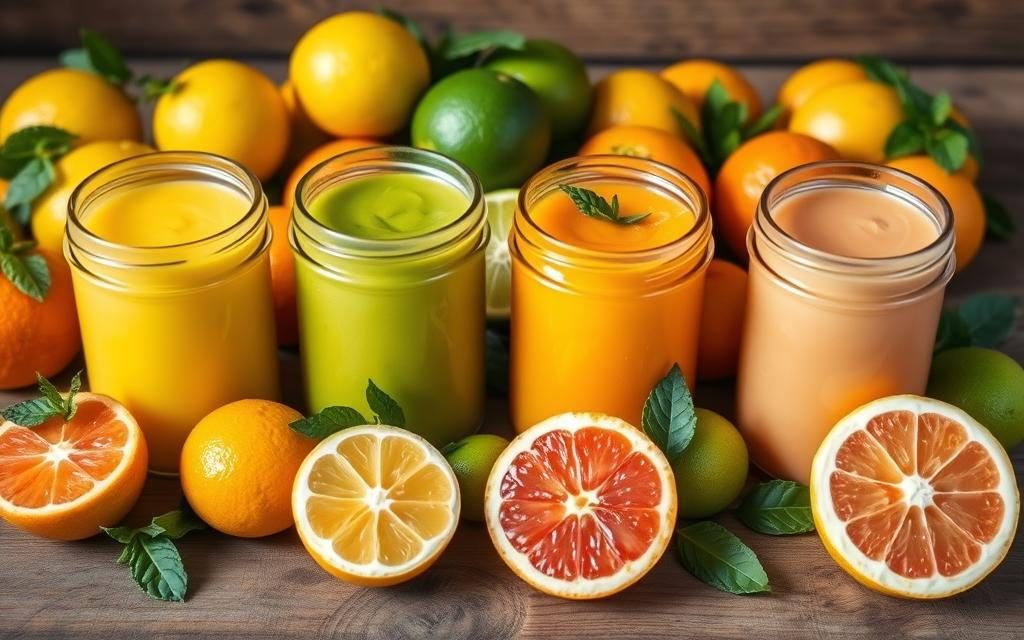
Trying new lemon curd recipes lets cooks add to their dessert collection. It’s a way to surprise your taste buds with new flavors.
Lime Curd: A Zesty Alternative
Lime curd is a bright and tangy twist on lemon curd. It has a sharp taste that’s a bit more intense.
- Uses fresh lime juice instead of lemon
- Requires slightly less sugar due to higher acidity
- Perfect for tropical-inspired desserts
- Adds bright green color to culinary creations
Orange Curd: Sweet and Citrusy
Orange curd is sweeter and milder than lemon curd. It’s made with oranges, which are naturally sweet. This makes it smooth and less acidic, great for many desserts.
| Citrus Curd Type | Flavor Profile | Best Uses |
|---|---|---|
| Lemon Curd | Tart and bright | Pastry fillings, toast spreads |
| Lime Curd | Sharp and zingy | Tropical desserts, key lime pies |
| Orange Curd | Sweet and mellow | Breakfast spreads, cake fillings |
Every citrus curd has its own special charm. It invites cooks to try new things and find exciting flavors.
How to Use Lemon Curd
Lemon curd makes simple dishes taste amazing. It’s bright and tangy, perfect for sweet and savory dishes. It’s a key item in every kitchen.
Using lemon curd can make cooking fun and easy. Its creamy texture and citrus taste are great in many recipes.
Spreading on Toast and Scones
Spread lemon curd on:
- Warm, buttered toast
- Fresh-baked scones
- English muffins
- Crispy croissants
Filling for Cakes and Tarts
Lemon curd makes cakes and tarts taste better. Try these ideas:
- Layer between vanilla sponge cake rounds
- Fill mini tart shells
- Swirl into cheesecake batter
- Use as a decadent cupcake center
Lemon curd’s citrus flavor makes desserts unforgettable. It will wow your family and friends.
Storing Lemon Curd Properly
Keeping homemade lemon curd fresh is key. Knowing how to store it right lets you enjoy it for weeks or months.
Storing lemon curd right is very important. It keeps the taste and texture smooth and bright.
Refrigeration Tips
Here’s how to store lemon curd in the fridge:
- Use an airtight glass container
- Put plastic wrap on top to stop skin from forming
- Keep it in the coldest part of the fridge
- Use it within 2 weeks
Freezing Lemon Curd for Later Use
Freezing lemon curd is a great way to keep it longer. Here’s how to freeze it:
| Storage Method | Duration | Recommended Approach |
|---|---|---|
| Refrigerator Storage | Up to 2 weeks | Airtight container with surface wrap |
| Freezer Storage | Up to 6 months | Use small containers, leave expansion space |
Freezing lemon curd? Here are some tips:
- Split it into smaller parts to avoid waste
- Leave about 1/2 inch of space at the top
- Thaw it in the fridge overnight
- Stir well after thawing to get a smooth mix
Pro tip: Always write the date on your containers. It helps you know when it’s fresh when storing lemon curd in the fridge or freezer.
Common Mistakes When Making Lemon Curd
Making lemon curd needs care and focus. Many people face problems that ruin their curd. Knowing how to fix these issues can help you make a tasty spread.
Avoiding Overcooking Disasters
Overcooking is a big problem for lemon curd. Here are important things to watch for:
- Constant stirring prevents egg scrambling
- Use medium-low heat for gentle cooking
- Remove from heat when the mixture coats the back of a spoon
Using a digital thermometer is a good idea. It helps keep the temperature right, between 170-175°F. If it gets hotter, your curd might become grainy and bad-tasting.
The Importance of Fresh Ingredients
Bad ingredients can ruin your lemon curd. Here are some tips to help:
- Use fresh lemons with bright, juicy zest
- Select eggs with vibrant, rich yolks
- Choose high-quality unsalted butter
- Check ingredient expiration dates
Pro tip: Meyer lemons are sweeter. They might need less sugar. Using the best ingredients and careful technique will help you make smooth, tasty lemon curd every time.
Homemade vs. Store-Bought Lemon Curd
Choosing between homemade lemon curd and store-bought can be fun. Both have their own benefits for those who love baking and desserts.
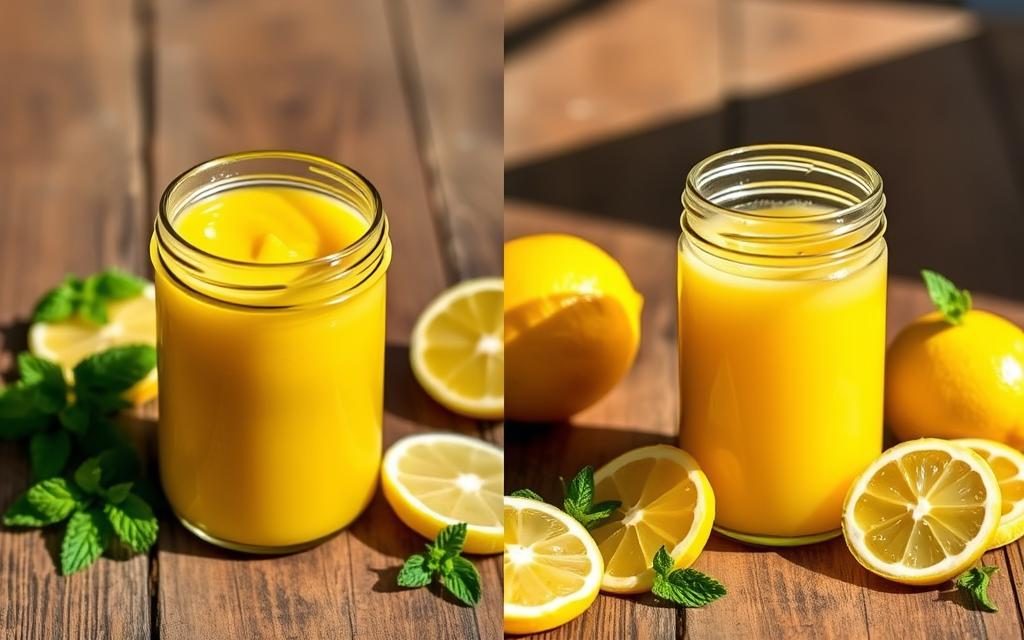
Making your own lemon curd lets you control the taste and quality. With just five ingredients and a few minutes of cooking, you can make a delicious spread that beats store-bought ones. Using fresh lemons and white sugar makes it taste the best.
Pros and Cons of Homemade Lemon Curd
- Pros:
- You get to choose the flavor
- You pick the freshest ingredients
- No artificial preservatives
- You can adjust how sweet it is
- Cons:
- It takes time to make
- You need to know how to cook
- It lasts only 10 days in the fridge
Recommended Store-Bought Lemon Curd Brands
Even though homemade lemon curd tastes better, store-bought is great for those who are short on time. Here are some top brands:
| Brand | Flavor Profile | Availability |
|---|---|---|
| Wilkin & Sons | Traditional English Style | Specialty Stores |
| Bonne Maman | Rich, Authentic Taste | Grocery Chains |
| Harry & David | Smooth, Creamy Texture | Online/Retail |
Whether you make your own lemon curd or buy it, it’s all about what you prefer. Whether you love baking or just want something quick, there’s a lemon curd for you.
Lemon Curd in Baking
Bakers and home cooks love using lemon curd in desserts. It makes simple treats into amazing ones. The lemon’s bright flavor makes everything taste better.
Creative Lemon Curd Recipes for Baking
Lemon curd recipes can make your baking better. Both pros and home cooks can find new ways to use it. It’s great for many treats.
- Layer cake fillings
- Cheesecake swirls
- Pastry cream replacements
- Frosting and glaze bases
Lemon Curd Muffins: A Flavorful Twist
Lemon curd muffins mix tangy and sweet perfectly. They add a citrusy surprise to regular muffins.
| Ingredient | Quantity |
|---|---|
| All-purpose flour | 2 cups |
| Granulated sugar | 3/4 cup |
| Fresh lemon juice | 1/4 cup |
| Homemade lemon curd | 1/2 cup |
Here are some tips for lemon curd muffins:
- Use fresh lemon juice for the best taste
- Swirl lemon curd into the batter before baking
- Make a lemon curd filling for extra moisture
Adding lemon curd to your baking will make it better. Try different ways to use it and find your favorite.
Lemon Curd Pairings
Exploring the best lemon curd pairings can change how you see food. The lemon curd’s bright, tangy taste makes amazing flavor mixes. These mixes are sure to please your taste buds.
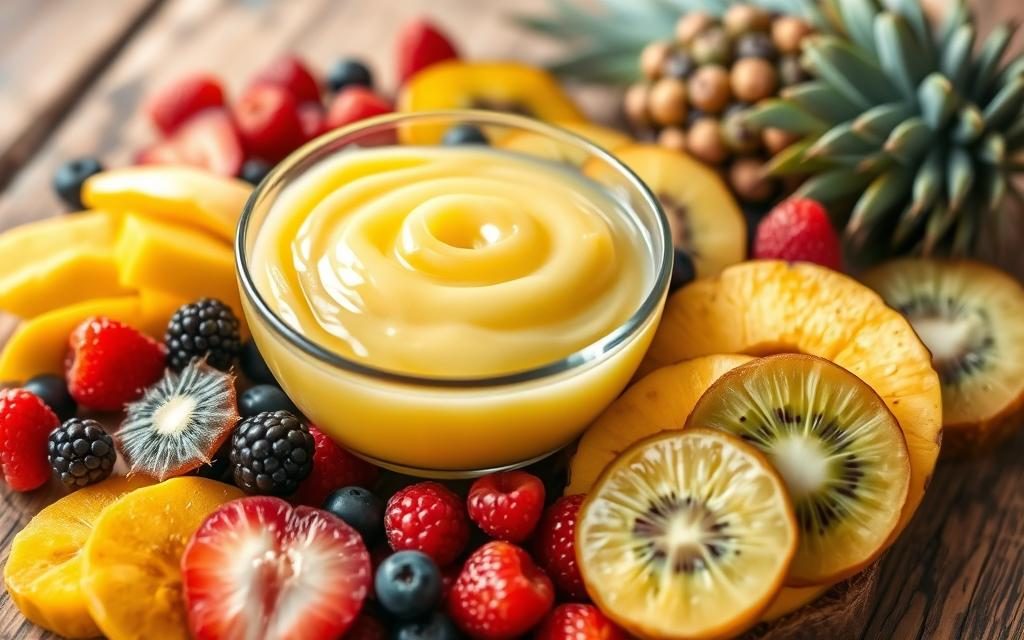
Best Fruits to Complement Lemon Curd
Fruits and lemon curd make a great taste mix. Here are some top fruit choices:
- Berries: Strawberries, raspberries, and blueberries balance out lemon curd’s tartness
- Tropical Fruits: Mango and passion fruit add a sweet touch that makes lemon curd even better
- Stone Fruits: Peaches and apricots are soft and sweet, matching lemon curd’s strong taste
Ideal Beverages to Pair with Curd Treats
Choosing the right drink can make lemon curd even better. Here are some great drink choices:
| Beverage Type | Pairing Notes |
|---|---|
| Earl Grey Tea | Classic pairing with bergamot notes that match lemon curd |
| Chamomile Tea | Soft, floral tastes that balance lemon curd’s strong flavor |
| Sparkling Wine | Light, bubbly drinks that make lemon curd’s tangy taste pop |
| Dessert Wine | Sweet flavors that mix well with lemon curd |
Trying out different lemon curd pairings can lead to new food ideas. You can put it on toast, use it in cakes, or enjoy it with fruits. Lemon curd is a versatile ingredient that can make many tasty dishes.
The Science Behind Making Lemon Curd
Lemon curd is a mix of chemistry and cooking. It’s about egg tempering and emulsification. These steps make a simple recipe into a smooth treat.
Making lemon curd is all about the right steps. Chefs focus on temperature and how ingredients mix.
Why Temper Eggs for Curd?
Tempering eggs is key to avoid scrambled eggs. Hot liquid and eggs can mix badly. But, slow heat makes the mix smooth.
- Prevents egg proteins from curdling
- Ensures a consistent texture
- Maintains the delicate flavor profile
The Emulsification Process
Emulsification makes lemon curd creamy. It mixes water (lemon juice) with fat (butter and egg yolks).
| Ingredient | Role in Emulsification |
|---|---|
| Egg Yolks | Natural emulsifier |
| Butter | Provides fat for smooth texture |
| Lemon Juice | Adds liquid component |
The best cooking temperature for lemon curd is 178°F to 180°F. This keeps it smooth and perfect for food lovers.
FAQs About Lemon Curd
Lemon curd fans often wonder about making, storing, and trying new recipes. This FAQ will guide you through the world of lemon curd. It answers common questions and shares expert tips.
How Long Does Lemon Curd Last?
Homemade lemon curd doesn’t last long. It stays fresh for 10-14 days in the fridge. Here’s how to keep it fresh:
- Refrigerate it right after it cools
- Use clean, sterilized containers
- Avoid strong-smelling foods nearby
To keep it longer, freezing is a great choice. It can be frozen for up to 3 months if sealed well.
Can You Make Lemon Curd Without Eggs?
Yes, you can make lemon curd without eggs. This is good for those with egg allergies or dietary needs. Here are some ways to thicken it without eggs:
- Use cornstarch as a thickener
- Try agar-agar for a vegan option
- Add coconut cream for extra creaminess
| Egg Replacement | Texture | Flavor Profile |
|---|---|---|
| Cornstarch | Slightly less creamy | Similar to traditional |
| Agar-agar | Firmer | Slightly different |
| Coconut cream | Rich and smooth | Subtle coconut undertones |
Eggless lemon curd might feel different than the classic. Try different methods to find your favorite.
Serving Suggestions for Lemon Curd
Make your lemon curd special by presenting it in new ways. This turns simple desserts into unforgettable treats. They delight both your eyes and taste buds.
Lemon curd is more than just a spread. It’s a versatile treat that can be presented in many elegant ways. This impresses guests and satisfies your sweet tooth.
Creative Ways to Present Lemon Curd
- Serve in petite glass jars for an elegant rustic-chic look
- Layer in clear parfait glasses with fresh berries and whipped cream
- Use as a decadent filling for miniature tartlets
- Spread on warm scones or delicate tea biscuits
- Create individual dessert cups with alternating layers of curd and crushed cookies
Garnishes that Enhance Flavor
Presenting lemon curd is like creating art. Add these stunning garnishes to elevate your dish:
- Fresh mint leaves for a pop of green color
- Delicate edible flowers like lavender or pansies
- Finely grated lemon zest for extra citrus intensity
- Toasted almond slivers for textural contrast
- Sprinkle of powdered sugar for a classic finish
When you explore lemon curd ideas, remember looks matter as much as taste. A well-presented dessert can make any meal special.
Healthier Alternatives to Traditional Lemon Curd
Making a healthy lemon curd doesn’t mean losing flavor. Home cooks can make this classic spread healthier by choosing better ingredients. The aim is to make a low sugar lemon curd that’s tasty but not too high in calories.
- Replace traditional granulated sugar with natural sweeteners
- Use alternative thickening agents
- Incorporate protein-rich ingredients
- Experiment with dairy substitutes
Reducing Sugar in Recipes
To make a low sugar lemon curd, try these ideas:
- Stevia: A zero-calorie natural sweetener
- Erythritol: A sugar alcohol with minimal calories
- Monk fruit sweetener: Provides sweetness without added sugars
Using Alternative Sweeteners
Looking into different sweeteners can change your healthy lemon curd. Coconut sugar has a lower glycemic index than regular sugar. Honey adds sweetness and antioxidants.
For a new twist, use Greek yogurt instead of some butter. This makes the curd lighter and adds protein. The trick is to find the right balance of sweetness and texture.
Don’t worry, cutting sugar doesn’t mean losing flavor. With the right ingredients, you can make a low sugar lemon curd that’s both good for you and yummy.
Conclusion: Mastering Lemon Curd at Home
Making homemade lemon curd is a fun journey. It turns simple things into a fancy spread. You start by learning about the special flavors and techniques.
Good ingredients are key to great lemon curd. Choose Meyer lemons and fresh eggs for the best taste. Try different lemons to make your own special recipe.
Encouragement to Experiment with Flavors
Don’t be shy to try new things with lemon curd. Add herbs like lavender or thyme for a fancy twist. Homemade lemon curd is all about trying new things.
Final Tips for Success
Getting good at lemon curd takes time and practice. Be careful with heat, stir often, and cool slowly. Soon, you’ll make perfect lemon curd. You can keep it in the fridge for two weeks or freeze it for later.


