

A happy family begins with key habits. Discover 7 transformative habits to adopt for lasting joy.
The Secret to a Happy Family
Do you feel like you’re not really connecting with your family? Do you want to make lasting memories together? There are seven simple habits that can change everything.
Stephen Covey, a family expert with nine kids, found the secret to happy families. His advice goes beyond what you’ve heard before. It’s full of practical tips to help your family bond and grow together.
Families today face many challenges. They come in all shapes and sizes. But with the right habits, you can keep your family strong and loving.
Key Takeaways
- Discover transformative habits for creating a happy family environment
- Learn practical strategies for strengthening family bonds
- Understand the importance of proactive communication
- Develop a shared family vision and mission
- Build emotional intelligence within your family unit
Understanding the Foundation of Family Happiness
Family happiness is built on deep emotional connections and shared values. The strongest families aren’t perfect. They grow together, support each other, and create a place where everyone can thrive.
The Role of Core Values in Family Life
Core family values guide behavior and decision-making. These beliefs shape how family members interact and support each other.
- Establish clear expectations
- Create a sense of identity
- Provide emotional stability
- Foster mutual respect
Building Emotional Connections
Emotional well-being in a family comes from real communication and understanding. Families that focus on emotional connections feel safe and trusted.
| Connection Strategy | Impact on Family |
|---|---|
| Active Listening | Increases mutual understanding |
| Expressing Vulnerabilities | Builds deeper trust |
| Showing Empathy | Strengthens emotional bonds |
Creating a Nurturing Environment
A nurturing environment is key for strong relationships. It’s about making a space where everyone feels valued, heard, and supported. This takes effort from everyone.
- Practice unconditional love
- Celebrate individual achievements
- Provide emotional support during challenges
- Maintain consistent positive interactions
By focusing on these basics, families can build a strong, loving, and supportive place. This promotes happiness for everyone.
The Power of Being Proactive in Family Relationships
Proactive family tips change how we deal with each other. Instead of just reacting, we can make things better by acting on purpose. This makes each family member a change-maker.
Positive parenting means making choices that help everyone. Studies show that the best families act, not just wait. They look for chances to grow, not just problems.
- Prioritize relationships as a source of security
- Focus on opportunities, not obstacles
- Make conscious decisions aligned with core values
- Communicate openly and intentionally
Healthy relationships need trust and clear talking. The Harvard Grant Study found that strong bonds lead to lasting happiness.
| Proactive Family Characteristic | Impact on Family Dynamics |
|---|---|
| Values-Based Decision Making | Enhanced emotional resilience |
| Open Communication | Stronger interpersonal bonds |
| Opportunity-Focused Mindset | Improved problem-solving skills |
Stephen Covey’s principle of “Put First Things First” shows the value of acting on what matters most. Families that follow this create a more caring and supportive space.
Being proactive lets families turn tough times into chances to grow closer. The main thing is to take charge, talk well, and stick to what’s important to all of you.
Creating Your Family Mission Statement
Making a family mission statement makes your home a team with a clear goal. It helps everyone work together, sharing values and dreams.
A good family mission statement is more than words. It’s a plan for your family’s journey. It brings everyone together, even though you’re all different.
Defining Shared Values and Goals
Creating family values needs deep thought and honest talks. Think about:
- What beliefs are most important to your family
- Your long-term dreams
- What each person is good at
- How to talk well together
Including Every Family Member’s Input
Good talking is key when making a family mission statement. Make sure everyone has a say by:
- Having family meetings
- Encouraging open talks
- Valuing each person’s thoughts
- Finding things you all agree on
Regular Review and Updates
Family mission statements need to change over time. Check and update your statement often to show growth and new values. Have a yearly check-in to keep things fresh.
Spending time on a family mission statement makes your family stronger. You’ll support each other more and work together better.
Prioritizing Quality Time Together
Family bonding isn’t about being perfect. It’s about making time to connect. This turns simple moments into special memories that make our families stronger.
Studies show that families who spend quality time together gain a lot. Kids learn to talk better, feel emotions, and feel part of the family. This happens when they spend time together often.
- Outdoor adventures that create shared experiences
- Weekly game nights that encourage playful competition
- Collaborative cooking sessions
- Movie or book discussions
- Arts and crafts activities
Creating quality time doesn’t need big plans. Simple, consistent interactions matter most. Families can beat digital distractions and busy lives by making family time a must.
Good ways to bond include:
- Having regular family meetings
- Planning one-on-one time with each family member
- Creating shared traditions
- Practicing active listening
Successful families know that spending time together makes them strong. It builds trust and deep feelings that last forever.
Happy Family: Essential Building Blocks
Building a strong family takes effort and understanding emotional well-being. The best families work on connection, trust, and support for each other.
Families do well with strong emotional support. Kids who feel emotionally stable have better self-esteem and mental health.
Emotional Support Systems
- Provide consistent emotional validation
- Practice active listening
- Create safe spaces for sharing feelings
- Demonstrate empathy and understanding
Creating Daily Rituals
Daily rituals make special moments. They help families grow closer and give kids a sense of safety.
- Morning check-ins
- Family dinner conversations
- Bedtime storytelling
- Weekly family game nights
Fostering Trust and Security
Trust is key for a healthy family. Clear rules and open talk make everyone feel safe and valued.
Money and emotional support help kids grow. Kids from stable families do better in school and have better social skills.
Developing Effective Communication Patterns

Healthy communication is key to strong family ties. Families that talk well connect deeper and understand each other better. When everyone can speak freely, they feel more valued.
To talk well, families need to practice and work together. Studies show how families can get better at talking:
- Listening well helps build trust
- Body language is important for understanding
- Respecting each other in talks stops mistakes
Experts give tips to make family talks better:
- Have special listening times at meals
- Share feelings without being judged
- Give positive feedback for good talks
| Communication Strategy | Impact on Family Dynamics |
|---|---|
| Active Listening | Builds empathy and understanding |
| Non-Verbal Awareness | Improves emotional intelligence |
| Regular Family Meetings | Increases shared responsibility |
Stepfamilies often face special talk challenges. Studies say 67% of blended families struggle with talking because of different backgrounds and styles. But, by talking openly and respecting each other, families can grow closer.
Building Strong Family Traditions
Family traditions are like magic threads that connect generations. They make a beautiful tapestry of joyful memories. These rituals help families feel safe, stable, and connected, no matter the time.
Creating Meaningful Celebrations
Creating lasting family traditions doesn’t need to be hard. Even small, regular moments can become special. Studies show families can make up to 33 unique traditions that bring them closer.
- Weekly game nights
- Annual family reunions
- Special birthday rituals
- Holiday storytelling sessions
Establishing Regular Family Activities
Doing things together regularly makes a shared narrative. It could be hiking, cooking, or keeping a family journal. The Rhodes family in Colorado loves outdoor activities and caring for the environment.
| Activity Type | Frequency | Family Benefit |
|---|---|---|
| Outdoor Adventures | Monthly | Physical Bonding |
| Cooking Together | Weekly | Skill Sharing |
| Family Storytelling | Quarterly | Cultural Preservation |
Passing Down Cultural Heritage
Cultural heritage is more than just holidays. It’s about sharing stories, values, and experiences. Some families live together across generations. Others focus on spiritual teachings or ethics.
By making and keeping family traditions, you create a strong base of love and understanding. This will help your family for many generations.
Cultivating Emotional Intelligence Within the Family
Emotional intelligence is very important for families. It makes family life better and creates a loving home. Studies say it’s more important than being smart.
Learning to understand and manage feelings is the first step. Parents can teach kids this by being good emotional coaches.
- Narrate children’s emotional experiences
- Demonstrate empathy consistently
- Validate feelings without judgment
- Teach emotional regulation techniques
Kids who learn from their parents do better in life. They make better choices and feel less stressed. They also have better friends.
| Emotional Skill | Life Impact |
|---|---|
| Self-awareness | Better decision-making |
| Stress management | Improved mental health |
| Social understanding | Enhanced relationships |
Building good relationships starts with knowing you can learn emotional intelligence at any age. Mindfulness practices and talking openly help families grow these skills.
Important steps include saying sorry when you’re wrong, loving without conditions, and respecting feelings. These actions build trust and make a safe, loving space for everyone.
Balancing Individual Needs with Family Unity
It’s important to find a balance between growing as an individual and being part of a family. Families do well when they support each person’s dreams and keep their bond strong.
Supporting Personal Growth
Personal growth is key for each person. Studies show that supporting personal goals can make people feel 20% more confident. Families can help by:
- Being there for personal goals
- Letting each person have their own interests
- Celebrating when they reach their goals
Maintaining Healthy Boundaries
Setting clear boundaries is the first step to a good work-life balance. Research finds that healthy boundaries can make people feel 20% less overwhelmed. They also cut down family fights by 15%.
| Boundary Type | Impact on Family Dynamics |
|---|---|
| Emotional Boundaries | Reduces stress, improves communication |
| Personal Space Boundaries | Increases mutual respect, individual autonomy |
| Time Boundaries | Prevents burnout, supports individual needs |
Fostering Independence
Being independent in a family means letting each person grow in their own way. Being adaptable and flexible can make families 50% more resilient. This helps them face life’s challenges better.
By finding a balance between personal growth and family unity, families create a place where everyone can thrive. They support each other’s growth while keeping their love strong.
Creating a Culture of Appreciation and Gratitude
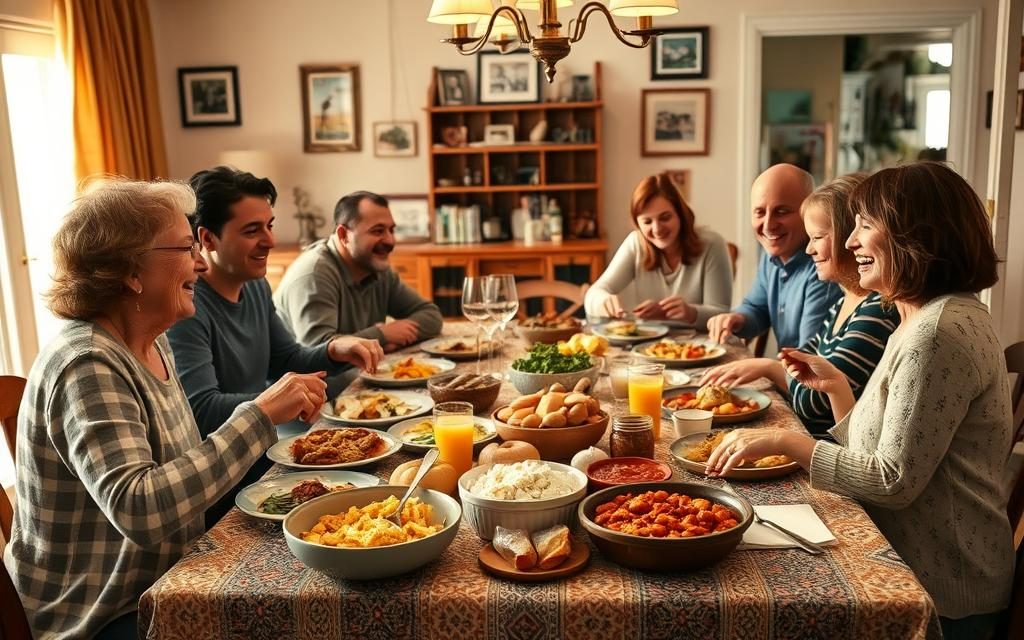
Gratitude changes how families connect. It turns simple moments into special times. Studies show that being thankful makes family bonds stronger and brings joy.
Starting a gratitude practice takes effort. Kids learn to be thankful by watching their parents. Studies say that being thankful often helps families feel closer.
- Express sincere thanks for daily contributions
- Acknowledge individual family members’ efforts
- Create regular appreciation rituals
- Share positive observations about each other
Being thankful is good for our minds. It makes us less stressed, more emotionally strong, and closer as a family. Kids who are often thanked feel better about themselves and are happier.
| Gratitude Practice | Family Impact |
|---|---|
| Daily appreciation sharing | Increased emotional connection |
| Recognizing small achievements | Boosted self-confidence |
| Volunteering together | Deeper sense of community |
Families can start being thankful in small ways. Keeping a gratitude journal or having weekly meetings to share good things can change how you feel at home. The aim is to make everyone feel important and understood.
Managing Family Challenges and Conflicts
Family conflicts are normal. Learning how to solve them can make our relationships stronger. It’s important to know how to handle disagreements with kindness and understanding.
Research shows us how to deal with family tensions:
- Communication is key to solving problems
- Clear rules help avoid fights
- Knowing how to handle feelings is important
- Getting help from experts can be useful
Talking openly is vital in solving family issues. When we share our thoughts and listen well, we can avoid misunderstandings. Being aware of our emotions helps keep peace.
Stress can lead to fights in families. Knowing the signs of stress and using calm practices can help. Building strength and understanding each other’s views is essential.
Here are some ways to handle family conflicts:
- Listen carefully to what others say
- Tell how you feel without blaming
- Try to see things from another’s point of view
- Look for ways to fix the issue
- Always treat each other with respect
Places like Michigan State University Extension offer help for families. They have programs to teach better ways to solve problems. By working on these skills, families can become closer and stronger.
Fostering Long-term Family Bonds
Creating lasting connections across generations is key for strong families. Family bonding is more than just talking. It’s about making memories that last for years.
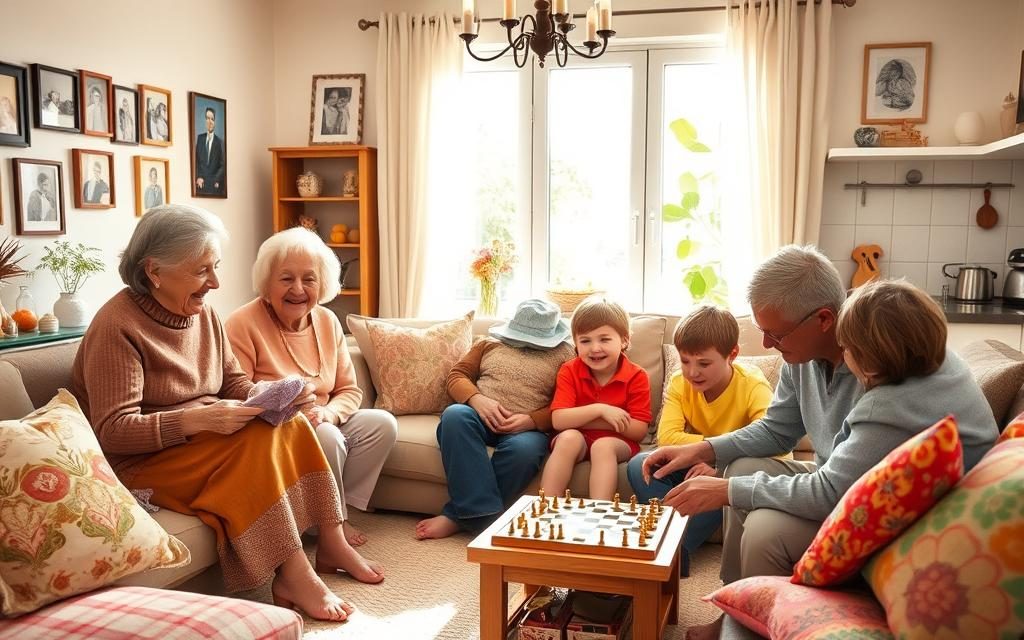
Good families work hard to stay close. They use special ways to keep their bonds strong. Studies show how important family ties are:
- Children with strong family bonds feel happier
- Family ties help kids do better in school
- Doing things together makes everyone stronger
Creating Lasting Memories
Memories keep families together. Simple traditions can make big moments special. Doing things together makes stories that last forever.
Building Multi-generational Connections
Multi-generational families learn a lot from each other. They create places where everyone can connect. This builds deep understanding and respect.
| Activity | Benefits |
|---|---|
| Family Storytelling | Preserves family history, builds identity |
| Shared Hobbies | Enhances communication, creates bonding |
| Volunteer Together | Increases empathy, shared purpose |
Sustaining Family Relationships
Keeping family ties strong needs effort. It’s about talking, respecting each other, and caring about each other’s lives. Technology helps families stay close, no matter where they are.
Conclusion
Creating a happy family needs hard work and love. It’s not about being perfect. It’s about staying connected and understanding each other.
Families who support each other and share moments are strong. They can face any challenge together. This makes their bond strong.
The seven habits talked about in this article help families grow closer. They teach how to talk well and feel each other’s emotions. These habits make families stronger and more loving.
Every family can be happy if they make the right choices. Doing things together, like playing or eating meals, helps. It makes everyone feel loved and supported.
Being happy as a family is a journey. It’s about learning and growing together. Every family is different, but love and understanding are key to happiness.
FAQs
What is the key to a happy family?
A happy family needs love, respect, and talking to each other. It’s like a team working together. But what makes a family truly happy?
- Love and Support: Family members should always support each other. Celebrate wins and help during hard times. This keeps the bond strong.
- Communication: Talking openly helps avoid misunderstandings. It’s like glue that holds everything together. Regular talks keep families close.
- Time Together: Spending quality time makes relationships stronger. It’s not just big events. Even small moments, like dinner together, are important.
- Respect and Understanding: Everyone should feel valued. Listen to each other, respect opinions, and accept differences.
- Fun and Laughter: Don’t forget to laugh! Enjoying fun moments can keep stress away and create lasting memories.
Building these strong pillars helps a family stay happy, no matter what life brings.
How to make a family happy?
Making a family happy is about small actions every day. Here’s how to start:
- Show Appreciation: Saying “thank you” is powerful. Everyone loves feeling appreciated, for any help or just being there.
- Spend Quality Time: It’s easy to spend time together. Watch a movie or play a game. This strengthens your bond.
- Create Traditions: Traditions bring excitement and consistency. They help create happy memories, like weekend outings or yearly vacations.
- Practice Patience: Family members can be challenging. But patience is key. Try to understand where they’re coming from.
- Solve Problems Together: When problems arise, face them as a team. Solve them together, not by blaming.
Happy families are built on effort, love, and respect. Small actions, done sincerely, can make a big difference.
What is the secret to happiness and the secret to a happy family according to Feiler?
Bruce Feiler, in The Secrets of Happy Families, shares insights on family happiness. He says there’s no one-size-fits-all solution. Instead, it’s about being flexible.
- Flexibility and Adaptability: Families face challenges, and Feiler stresses the importance of being flexible. A happy family adapts to changes, like a puzzle that can be reshaped.
- Creating Rituals: Rituals create comfort and consistency. They give everyone something to look forward to, like family dinners or game nights.
- Learning from Others: Feiler suggests learning from other families. No one has the perfect solution, so don’t hesitate to ask what works for them.
- Fostering a Growth Mindset: Teach kids (and adults!) to see challenges as opportunities for growth. Failure is part of learning, not the end.
- Focus on Small Wins: Celebrate the little victories, like a child learning to tie their shoes or someone doing an extra chore.
According to Feiler, a happy family adapts, learns, and grows together.
What are common family secrets?
Family secrets are like hidden treasures. They are known by a few. They can be fun facts or serious issues that affect how we relate to each other. Here are some common types of family secrets:
- Financial Secrets: Money is a sensitive topic. Families might hide debts, inheritances, or financial struggles. This is to avoid stress or embarrassment.
- Health Issues: Some families keep health problems private. This is to protect others or avoid unnecessary worry.
- Past Relationships or Affairs: Secrets about past relationships or infidelities might be kept hidden. This is to avoid awkwardness or judgment.
- Addiction or Substance Abuse: Families often hide struggles with addiction. This is to protect the person involved or to maintain a certain image.
- Hidden Talents or Interests: Some family members hide their hobbies or talents. Like a secret passion for painting or playing an instrument.
Family secrets can affect relationships. But when shared openly, they help families heal and grow stronger. Open communication and trust are key to breaking down these barriers.


