

Ever wondered how to turn fresh grapes into tasty homemade wine? Do you want to know the secrets of making a perfect bottle in your kitchen?
Learning to make wine is a fun mix of science, art, and patience. Every year, over a million Americans try winemaking as a hobby. They love making their own special wines from scratch.
Winemaking is more than just squishing grapes and waiting. It’s a detailed process. You need to pick the right ingredients, control the temperature, and know how to ferment. This guide will show you how to make wine, from picking grapes to bottling your wine.
Key Takeaways
- Winemaking is an accessible hobby for home enthusiasts
- Proper equipment and sanitation are key for success
- Patience is important for developing wine flavors
- One kilogram of grapes makes about 75 cl of wine
- Fermentation and aging greatly improve wine quality
- Keeping the temperature right is vital at every step
Understanding the Basics of Winemaking
Winemaking turns simple fruit into a complex drink loved by many. It changes grape juice into alcohol through fermentation and aging. Making wine at home is fun for those who love creating their own special wines.
What is Winemaking?
Winemaking is about turning grape juice into alcohol. It starts with picking good grapes and managing each step. DIY wine makers can make amazing drinks by learning the basics.
The History of Wine
Wine has a long history, starting around 6,000 BCE in places like Georgia and Iran. People found that grape juice could be turned into a tasty drink that lasts a long time.
- Earliest wine production: Around 6,000 BCE
- First known wine regions: Georgia and Iran
- Spread of winemaking: Through trade routes and cultural exchanges
Different Types of Wine
There are many wines to try when making wine at home. Each has its own taste and making method.
| Wine Type | Characteristics | Fermentation Duration |
|---|---|---|
| Red Wine | Made from dark-colored grapes | 1-2 weeks |
| White Wine | Made from white or black grapes | 2-4 weeks |
| Rosé Wine | Short skin contact period | 1-2 weeks |
| Sparkling Wine | Carbonated during production | Varies by method |
Knowing about these wines helps make better homemade wines.
Essential Winemaking Ingredients
Making homemade wine needs the right ingredients. These ingredients turn simple fruits into a tasty drink. The way you mix them is key.
Winemaking is a detailed process. It starts with picking the best ingredients. Each one adds something special to the wine.
Grapes: The Foundation of Wine
Grapes are the main ingredient in most wines. They give the wine its sweetness, taste, and smell. Different grapes make different wines.
- Red grapes for strong, full-bodied wines
- White grapes for light, crisp wines
- Special wine grape types
Yeast: Fermentation’s Crucial Catalyst
Yeast turns grape sugars into alcohol. It works best at 65-75°F. Choosing the right yeast is important for the wine’s taste.
Water and Sugar: Supporting Elements
Water makes the wine balanced. Sugar changes the wine’s strength. Winemakers use special helpers to make their wine better.
- Acid blend for flavor balance
- Pectic enzyme for clear wine
- Yeast nutrients for better fermentation
The International Organisation of Vine and Wine (OIV) lists about 85 important winemaking compounds. This shows how important choosing the right ingredients is.
Equipment Needed for Winemaking
Starting to make wine at home needs the right tools. Whether you’re new or love making wine, the right gear makes it fun.
For beginners, knowing the must-have tools is important. The American Homebrewers Association says over a million people make wine at home. Having the right tools is the first step to making great wine.
Primary Winemaking Tools
Every winemaker needs a basic set to start. Here are the key wine making supplies:
- Primary fermenter (food-grade plastic bucket)
- Secondary fermenter (glass or plastic carboy)
- Hydrometer for measuring sugar content
- Siphon tube for transferring wine
- Nylon straining bag
- Sanitizing solutions
Fermentation Vessels
Picking the right vessel for fermentation is key for good wine. Stainless steel and food-grade plastic are top picks for home winemakers.
| Vessel Type | Pros | Best For |
|---|---|---|
| Plastic Bucket | Lightweight, Affordable | Primary Fermentation |
| Glass Carboy | Non-reactive, Transparent | Secondary Fermentation |
| Stainless Steel | Durable, Easy to Clean | Large Batch Production |
Bottling Equipment
For the last step, you’ll need special bottling supplies:
- Wine bottles
- Corks or screw caps
- Corking device
- Bottle sanitizer
- Bottle brush
Quality equipment is important for tasty homemade wine. Start with the basics and add more as you learn.
Choosing the Right Grapes for Your Wine
Choosing the right grapes is key to making great homemade wine. You need to know about different grapes and their special traits.
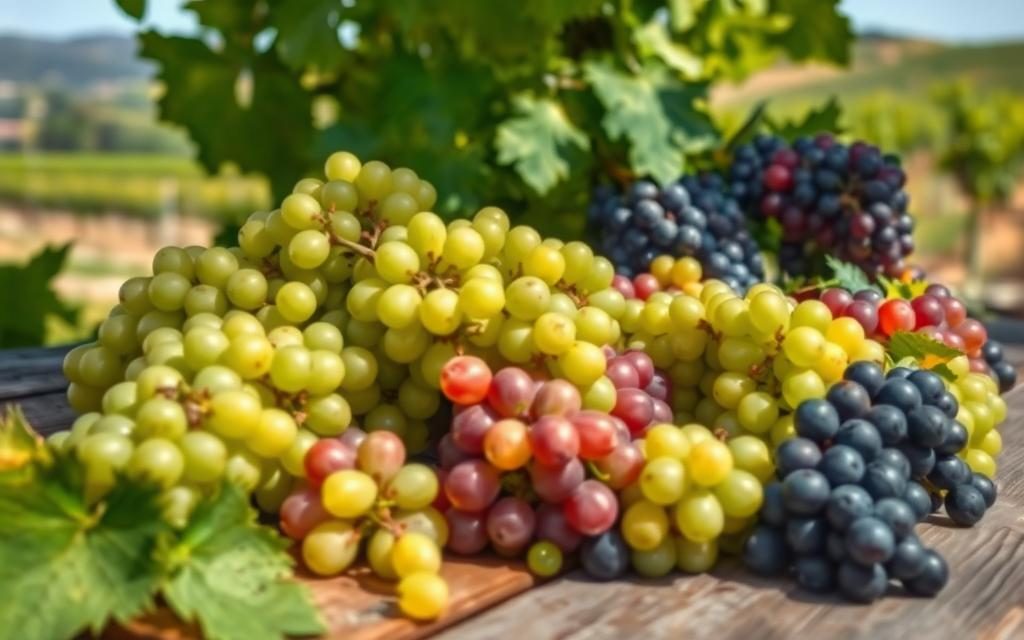
Winemaking starts with knowing about wine grapes. Each grape type adds its own taste, smell, and quality to your wine.
Popular Grape Varieties for Winemaking
- Cabernet Sauvignon: Rich, full-bodied red wine grape
- Chardonnay: Versatile white wine grape with crisp characteristics
- Pinot Noir: Delicate red grape known for elegant wines
- Merlot: Smooth, approachable red wine variety
How to Select Quality Grapes
When picking grapes for wine, keep these tips in mind:
- Look for ripe, unblemished fruit
- Avoid grapes with mold or insect damage
- Check sugar levels and acidity
- Consider the grape’s intended wine style
Organic vs. Conventional Grapes
Choosing between organic and conventional grapes is part of grape selection. Organic grapes have less pesticide. Conventional grapes can also make great wine if cleaned well.
Pro tip: One kilogram of grapes makes about 750ml of wine. Try different grapes to find your favorite mix!
Preparing Grapes for Fermentation
Grape preparation is key for making great homemade wine. It starts with careful steps that turn fresh grapes into a tasty drink.
Winemakers need to learn a few important steps before fermentation. These steps help make sure the wine tastes good.
Crushing and Destemming Techniques
Destemming gets rid of woody stems that can make wine taste bitter. Crushing breaks the grapes open, getting ready for fermentation. There are two main ways to do this:
- Manual crushing with hands or simple tools
- Mechanical fruit presses for bigger batches
Sanitizing Winemaking Equipment
Cleaning winemaking tools is very important. It keeps out bad bacteria and makes sure the wine ferments well.
| Sanitization Method | Effectiveness |
|---|---|
| Campden Tablets | Highly effective |
| Potassium Metabisulfite Solution | Broad-spectrum sanitization |
| Specialized Wine Sanitizers | Professional-grade protection |
The Importance of Cleanliness
Keeping things clean stops bad stuff from ruining your wine. Clean equipment, clean process, exceptional wine.
- Wash all equipment well
- Use food-grade sanitizing solutions
- Let equipment dry completely
- Check tools before using them
By following these steps, home winemakers can make delicious, top-quality wines.
The Fermentation Process Explained
Wine fermentation is a magical process. Yeast turns grape sugars into alcohol. This stage makes your homemade wine special.
The journey of fermentation has many important steps. Winemakers need to watch these steps closely. They must make sure yeast has the right place to work.
Primary Fermentation Steps
Primary fermentation has key steps:
- Crush and prepare grape must
- Add specialized wine yeast
- Maintain optimal temperature between 20-32°C
- Allow natural sugar conversion
Monitoring Fermentation
Winemakers must watch fermentation closely. They use special tools and methods:
- Use a hydrometer to measure sugar levels
- Check alcohol content regularly
- Observe bubble formation in airlock
- Maintain consistent temperature
Common Fermentation Issues
Challenges during fermentation include:
- Stuck fermentation
- Off-odors
- Excessive foam production
- Inconsistent yeast performance
Winemakers suggest managing temperature well. They also recommend choosing good yeast and keeping things clean. This helps make a great wine.
Aging Your Wine
The wine aging process turns a simple drink into a complex masterpiece. Learning about aging can make your homemade wine better and more complex.
Why Aging Matters
Aging makes wines deeper and more interesting. It’s a time when flavors mix and get better. Wines change a lot:
- Harsh tannins become smoother
- Fruit flavors mix well
- It gets more complex
Types of Aging Vessels
The right aging vessel changes your wine’s taste. Each material works differently with wine.
| Vessel Type | Characteristics | Best For |
|---|---|---|
| Oak Barrels | Adds vanilla, spice notes | Red wines |
| Glass Carboys | Neutral, prevents oxidation | White wines |
| Stainless Steel | Keeps fruit flavors fresh | Crisp, young wines |
How Long to Age Your Wine
How long you age wine depends on the type. Red wines usually need 8-12 months. White wines might only need 3-6 months. Grape type and taste goals also matter.
- Cabernet Sauvignon: Ages the longest
- Lighter whites: Age less
- Check taste often
Winemakers like RIDGE show aging can make wines very complex. Some wines get better over decades.
Bottling Your Homemade Wine
The final stage of winemaking is exciting. Bottling homemade wine needs care and attention. To make perfect wine, you must know how to bottle wine right.
When to Bottle Your Wine
Timing is key in wine bottling. Your wine is ready when:
- Fermentation is done
- The wine is clear
- It has aged as desired
- Specific gravity readings are steady
Proper Bottling Techniques
Start with clean and sanitized equipment. Use a sodium metabisulfite solution to clean bottles and tools. Leave about one inch of space at the top for the cork to expand.
Choosing Wine Bottles and Corks
Picking the right bottles and corks is vital. Think about:
- The size of the bottle for the wine
- The quality and length of the cork
- Where you will store the wine
- How long you plan to age the wine
Experts say use 750 ml bottles with natural corks for best storage. A batch of homemade wine makes about five bottles. This is great for sharing with loved ones.
Understanding Wine Characteristics
Exploring homemade wine needs your eyes and taste buds. Wine tasting is more than just drinking. It’s a way to see and feel the special qualities of your wine.
When you taste wine, you look at many important things. These things make your wine special. Here are the main steps to learn about your wine’s special qualities.
Tasting Your Wine
Wine experts have a special way to taste wine. They start by looking at the and then use their senses in different ways.
- Look at the wine’s color and how clear it is
- Swirl it to smell the scents better
- Smell the wine’s smell
- Drink a little and taste the flavors
- Think about how all the parts work together
Identifying Aromas and Flavors
The type of grape and how it’s made affect your wine. The smells can be sweet or earthy, depending on many things.
| Aroma Category | Common Descriptors |
|---|---|
| Fruit Aromas | Citrus, berry, stone fruit |
| Floral Notes | Rose, lavender, jasmine |
| Herbal Hints | Grass, mint, thyme |
| Earthy Tones | Leather, mushroom, soil |
Physical and Chemical Traits
Knowing about wine’s physical and chemical sides makes it more interesting. Important things include body weight, alcohol content, and how it feels in your mouth.
- Light body: Delicate, refreshing
- Medium body: Balanced, versatile
- Full body: Rich, intense
Getting better at tasting wine takes time. Every time you taste, you learn more about your homemade wine.
Common Mistakes in Winemaking
Winemaking is an art that needs precision and patience. Even skilled home winemakers face challenges. Knowing common mistakes helps make better wine and avoid problems.

Avoidable Pitfalls for Beginners
New winemakers often fall into traps. Knowing these mistakes can help improve your wine making:
- Inadequate sanitization of equipment
- Incorrect sugar measurements during fermentation
- Poor temperature control during fermentation
- Premature bottling of wine
- Using low-quality or inappropriate grape varieties
How to Troubleshoot Issues
Fixing homemade wine problems needs careful watching and solving. Here’s how to tackle fermentation issues:
- Monitor fermentation progress regularly
- Check and adjust acid levels
- Identify and address off-flavors
- Use hydrometer readings to track sugar conversion
- Maintain consistent fermentation temperatures
Learning from Experience
Every batch of homemade wine is a chance to learn. Keeping detailed notes helps you see what works and what doesn’t. Joining local winemaking clubs or online forums can also help.
Winemaking gets better with practice. See each problem as a way to learn and get better.
Wine Storage and Serving Tips
Keeping your homemade wine good needs careful storage and serving. It doesn’t matter if you love wine or just started making it. Knowing how to store wine can make it taste better and last longer.
Start by storing your wine right. Basements are great because they stay cool and quiet.
Optimal Storage Conditions
- Keep temperatures between 50-55°F (10-13°C)
- Humidity should be 50-65%
- Store bottles on their side to keep corks wet
- Stay away from sunlight and UV rays
- Don’t store wine in places that move a lot
Serving Temperature Guidelines
The right serving temperature can really make your wine taste better. Each wine type needs a certain temperature to taste its best.
| Wine Type | Ideal Serving Temperature |
|---|---|
| Red Wines | 55-65°F (13-18°C) |
| White Wines | 45-50°F (7-10°C) |
| Sparkling Wines | 40-45°F (4-7°C) |
Glassware Choices for Enjoyment
Choosing the right glass can make your wine smell and taste better. Wider bowls are best for red wines because they let more air in. Narrower glasses are better for white wines because they keep their flavors in.
Most homemade wines are best drunk within 2-3 years. Keep track of your wine and drink it when it tastes the best.
Pairing Wine with Food
Wine and food pairing is a fun journey of flavors. It makes simple meals into special experiences. Knowing how wine and food work together can make your meals better.

Learning to pair wine with food takes some knowledge. You need to know how to match wine with food. The goal is to make both taste great together.
Basic Principles of Wine Pairing
- Match wine intensity with food complexity
- Consider wine’s acidity and tannin levels
- Explore complementary and contrasting flavor profiles
- Experiment with regional wine and food traditions
Red, White, and Rosé Pairings
Different wines pair well with different foods:
- Red Wines: Great with strong dishes like steak and game meats
- White Wines: Best for lighter foods like fish and chicken
- Rosé Wines: Good with many kinds of food
Enhancing Your Dining Experience
Experts like Matt Check from Cellar Beast Winehouse say to know wine flavors. Look at sweetness, acidity, tannins, and body. This helps you find the best pairings.
The main goal is to enjoy yourself. Try new things and find what you like best.
Exploring Wine Regions of the World
Wine lovers and home winemakers can discover a world of flavors. Each wine region has its own special touch. This touch comes from the land and how it makes wine.
Every wine region has its own special place for growing grapes. Some are cool and mountainous, while others are warm and sunny. These places add their own special touches to the wine.
Famous U.S. Wine Regions
The United States has many amazing wine areas. They make wines that are loved by many:
- Napa Valley, California: Known for great Cabernet Sauvignon and Chardonnay
- Sonoma County: Famous for many kinds of wine and cool grapes
- Willamette Valley, Oregon: Known for amazing Pinot Noir
- Finger Lakes, New York: Specializes in cool white wines
Notable International Regions
Wine regions around the world are very different. They show how winemaking can vary:
- Bordeaux, France: Experts in red wine blends with Cabernet Sauvignon and Merlot
- Tuscany, Italy: Known for Chianti wines made from Sangiovese
- Rioja, Spain: Makes great Tempranillo red wines
- Mendoza, Argentina: Famous for strong Malbec wines
Terroir and Its Impact on Flavor
Terroir is all about the land and how it affects wine. It includes soil, weather, hills, and winemaking ways. Knowing about terroir helps us see how land and wine are connected.
Exploring wine regions can inspire home winemakers. They can learn to make wines that show off their local flavors.
Joining the Winemaking Community
Starting your home winemaking journey is exciting and a bit tough. Joining the winemaking community gives you support, knowledge, and friends at all levels.
Finding home winemaking resources makes your hobby more fun and social. Good connections give you important tips and ideas for making wine.
Local Winemaking Clubs and Events
Being part of local winemaking clubs is great for learning and making friends. These groups often have:
- Regular workshops and skill-sharing sessions
- Annual grape harvest events
- Wine tasting competitions
- Expert-led seminars on wine production techniques
Online Resources and Forums
Online platforms have changed how we connect and share winemaking knowledge. Check out these online resources:
| Platform Type | Key Benefits |
|---|---|
| Dedicated Forums | Troubleshooting advice, technique discussions |
| Social Media Groups | Quick interactions, photo sharing, instant feedback |
| Professional Websites | Advanced tutorials, scientific winemaking insights |
Connecting with Other Enthuasiasts
Building friendships in the winemaking community can lead to new projects and learning. Go to local events, join online chats, and learn from experienced winemakers.
Sharing your winemaking journey with others makes it even more rewarding. You’ll find people who truly get the challenges and joys of winemaking.
Conclusion: Enjoy Your Homemade Wine
Your winemaking journey is a mix of art and science. It turns simple grapes into a wonderful drink. You start by picking the best grapes and watching them ferment in oak barrels.
Winemaking lets you show off your creativity and passion. You can try new things like cold soaking. Each batch helps you get better, just like winemakers before you.
Reflecting on Your Winemaking Journey
Every wine has a story. Your homemade wines will get better with time. They will taste more complex and show off your skills.
Sharing your wine with friends is special. It shows how much you care about your hobby. It brings people together and creates memories.
The Joy of Sharing Wine with Friends
Keep trying new things with your wine. Try different grapes and aging methods. Each bottle is a new adventure.
Your winemaking journey is just starting. There are so many things to try and enjoy. You’re on an exciting path.


